Goalkeeper
Goalkeeper guide for Blue Lock: Rivals: line positioning, dive timing, when to punch instead of catch, quick distribution and the styles that make the role feel natural.
Introduction
Goalkeeper is the least popular role in Blue Lock: Rivals and the fastest way to improve a random lobby. Every team needs someone to stand in goal, and most players avoid it because the feedback is brutal: a mistake is a goal, while good positioning produces no highlight at all. The role is learnable, though, and almost all of it is discipline rather than reaction speed. Stay on your line until the shooter commits, watch the hips rather than the ball, dive late, and distribute quickly once you have the ball. Those four habits will outperform raw reflexes in most lobbies. This hub covers positioning, save selection, distribution and the styles that make the role feel natural, including the reference keeper style the community talks about most.
Keeper Fundamentals
| Situation | The disciplined play | The common mistake |
|---|---|---|
| Shooter approaching | Step out only once they have committed to a direction | Rushing out and opening the near post |
| Cross incoming | Hold the line and read the attacker's run | Chasing the ball and losing the goal |
| Shot taken | Dive late and stay big | Diving early and getting beaten by the feint |
| Ball secured | Distribute within a second or two | Holding the ball while the counter dies |
Goalkeeper Topics
Line Positioning
Most goals conceded in random lobbies start with a keeper standing a step too far forward. Holding the line forces the shooter to beat you with placement instead of power, and it keeps the near post covered while your defenders recover.
Dive Timing
A keeper who moves early is beaten by the simplest feint in the game. Watching the striker's hips rather than the ball gives you an extra fraction of a second, which is usually the difference between a save and a highlight for the other team.
Distribution
A held ball is a wasted counter-attack in a five-a-side format. Quick, simple distribution to the nearest safe teammate keeps the team moving forward and stops the opposition from resetting their shape while you decide what to do with the ball in your hands.
Keeper Styles
Some styles are built with goalkeeping in mind, and playing one makes the role far less punishing. The reference pick is Gagamaru, and the practical advice is to learn the defensive awakening before taking the role in a serious match.
Core Mechanics
Goalkeeping in Rivals is a positioning game disguised as a reaction game. The mechanics are simple: you can catch or punch, you can dive, and you can distribute. What separates keepers is where they stand before any of those inputs matter. Standing a step deeper than feels natural gives you time to react to a shot and keeps the near post covered, while standing too far forward turns every shot into a race you lose. The second mechanic is the dive itself, which is most effective late; committing early is exactly what a feint is designed to punish. The third is distribution, which is easy to neglect because it never produces a save highlight yet directly creates counter-attacks in a format where transitions are the main source of goals.
Advantages
A competent keeper changes the shape of a random lobby. Teams that know their keeper will hold the line take more risks going forward, because they trust the last line to cover the counter. That confidence produces more attacking numbers, which in a five-a-side match is often the difference between one goal and three. The role is also a fast way to learn the game: you see every attack develop, you learn where defenders should be, and you get immediate feedback about which decisions were wrong. Many strong outfield players started as keepers for exactly that reason, and the discipline transfers directly when they move back into defence or midfield.
Challenges
The role's costs are real. Feedback is harsh and public: a single positioning error is visible to everyone, while five correct decisions produce nothing memorable. Random teammates may blame the keeper for goals that started with an unmarked runner, which makes the role emotionally expensive. There is also a practical issue: not every style is built for goalkeeping, so a player who wants to main keeper may need a specific pull to feel comfortable. The pages here are written to reduce the first two problems by naming the decision behind each goal, but they cannot fix the third, which is a collection problem rather than a skill problem.
Frequently Asked Questions
Do I need a keeper style to play goalkeeper?+
Should I catch or punch?+
Why do I concede so many near-post goals?+
Quick Tips
Before you blame a goal on reflexes, check your depth. Most conceded goals in random lobbies come from standing a step too far forward, which turns a routine save into a race. Standing deeper feels passive and looks less impressive, but it converts more shots into saves because you have time to read the ball rather than react to it.
Watch the striker's hips, not the ball. The body tells you the direction before the shot does, and it is the only reliable cue when a feint is involved. This is also the habit that makes late diving possible: if you are reading the body instead of chasing the ball, you can afford to wait an extra fraction of a second before committing.
After every save, look forward immediately. A held ball is a wasted counter-attack, and the fastest way to turn a good save into a goal is to release the ball to a teammate who is already moving. Practise a simple rule: one touch to control, one quick pass to the nearest safe option, then reset. It is unglamorous and it wins matches.
Featured
Blue Lock: Rivals Best Goalkeeper Picks for 5v5
Discover the Blue Lock: Rivals best goalkeeper picks by comparing Gagamaru and Aiku, essential abilities, mastery potential, and match impact.
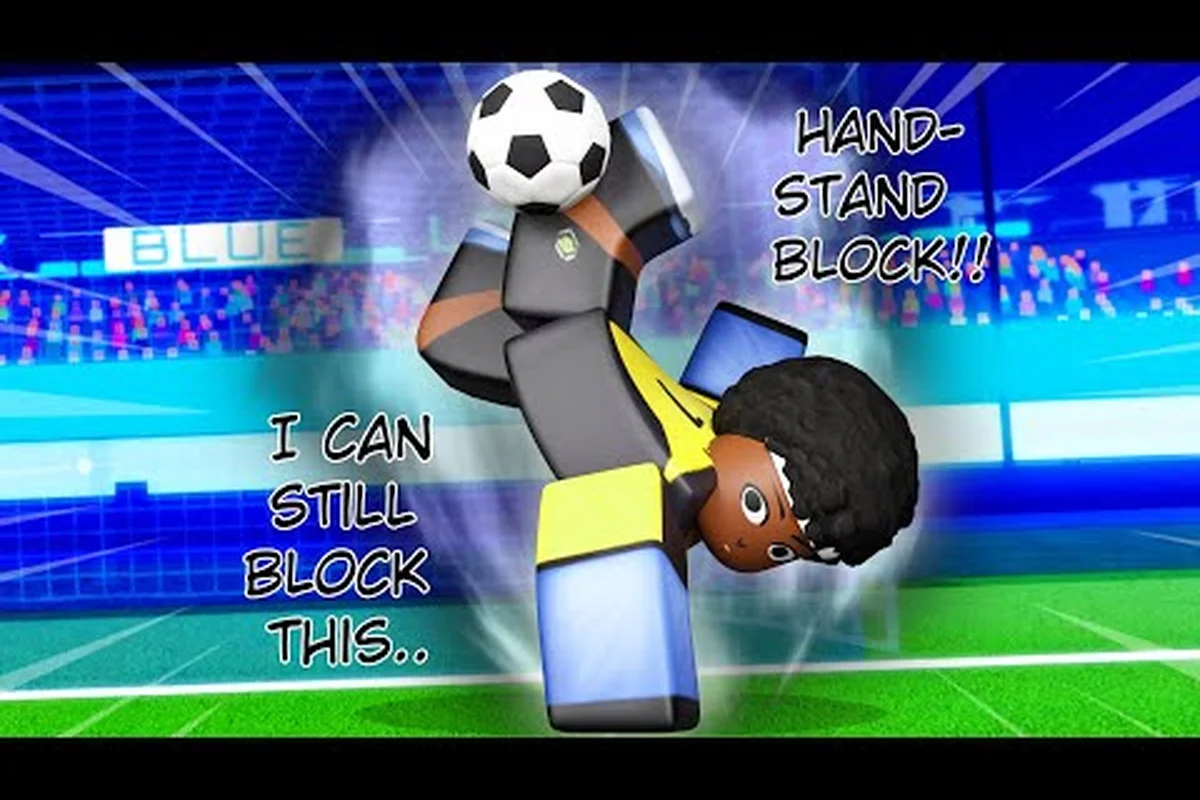
Blue Lock: Rivals GK Tips 2026: Complete Goalkeeper Build
Master blue lock rivals gk tips 2026 with a complete build covering goalkeeper awakening, flow timing, positioning, shot reads, and competitive priorities.
Blue Lock: Rivals Goalkeeper Controls and Save Inputs
Learn Blue Lock: Rivals goalkeeper controls for saving, distributing, switching focus, and using custom save sounds for clearer defensive play.
All Articles
Blue Lock: Rivals 1v1 Defending Guide
Master blue lock rivals 1v1 defending with smart angle control, reaction timing, safe positioning, and fewer risky challenges near goal.
Blue Lock: Rivals GK Practice Routine for Better Saves
Improve blue lock rivals gk practice with repeatable drills for reaction speed, save positioning, distribution, and common goalkeeper mistakes.
Blue Lock: Rivals Goalkeeper Guide and Save Tips
Master blue lock rivals goalkeeper with shot-reading tactics, positioning, and save techniques that protect your goal in competitive 5v5 Roblox matches.
Blue Lock: Rivals How to Save Shots
Master blue lock rivals how to save shots with sharper positioning, early reaction cues, diving timing, and reliable close-range save techniques.