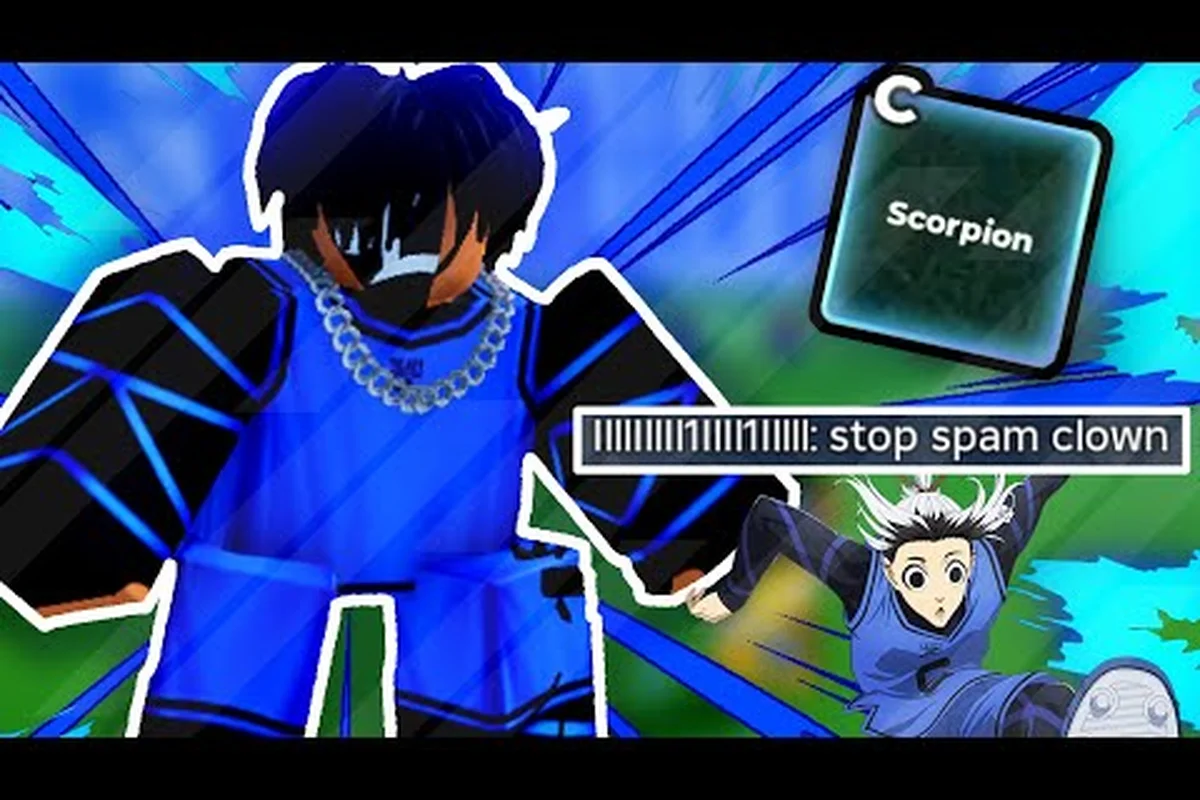
In Blue Lock: Rivals goalkeeper practice, five-a-side matches often compress the buildup into seconds, so a keeper must preset their stance, read the shooter’s body shape, and react without long decision time. A useful routine pairs rapid shot-stopping reps with distribution practice: after each save, clear the ball to a safe outlet, recover to your line, and reset before the next attempt. This trains positioning, reaction speed, and passing accuracy while also exposing common goalkeeper mistakes, such as closing the angle too early and leaving an immediate rebound available.
What GK Practice Should Cover
Blue Lock: Rivals is a fan-made 5v5 Roblox football experience with a real goalkeeper position, so practicing offline and in private servers lets you isolate fundamentals without the pressure of a competitive match. The official Blue Lock: Rivals game page as of November 2026 identifies the experience as an unofficial tribute, confirms the five-a-side format, and notes that players select a character Style before queueing.
A useful Blue Lock: Rivals GK practice routine has four parts: hold the correct starting position, recognize the shooter’s intentions, react decisively, and restart play quickly. Community coaching commonly emphasizes starting on the line, stepping out after the shooter commits, reading the striker’s body rather than following the ball immediately, and distributing without wasting a counterattack opportunity.
| Practice block | Primary objective | Time | Success marker |
|---|---|---|---|
| Positioning | Reduce opening angles | 8 minutes | Fewer shots hit the keeper’s side |
| Shot reading | Recognize body cues | 8 minutes | Correct first movement |
| Save mechanics | Improve reaction timing | 10 minutes | More controlled stops |
| Distribution | Start attacks quickly | 8 minutes | Cleaner outlet under pressure |
| Review | Diagnose recurring errors | 6 minutes | One correction for next session |
Warm-Up Loop You Can Run Every Day
Start with the same warm-up every time: move laterally along the line, test your dive in both directions, and release a few safe throws or passes. The goal is not random activity. Each repetition should train one decision that transfers into a match.
Use three intensity levels during the same drill. Begin at comfortable speed, repeat the pattern at a realistic pace, and finish with one random variation. A routine that only uses predetermined shots teaches anticipation but not adaptation, while a session made entirely of random attempts often hides positioning errors.
Track the Session With Simple Notes
Record four items after every block: shots faced, saves made, goals allowed, and the main reason for each conceded goal. These numbers create your own personal save log, not an official statistic. Because Blue Lock: Rivals save percentage is not documented on the official page, calculate your result as saves divided by shots faced and treat small samples cautiously.
| Metric | Calculation | Example | Interpretation |
|---|---|---|---|
| Save rate | Saves ÷ shots faced | 6 ÷ 10 = 60% | Useful only after a meaningful sample |
| Distribution rate | Controlled passes ÷ distribution attempts | 4 ÷ 5 = 80% | Measures composure, not attacking value |
| Reaction score | Correct first movement ÷ total shots | 7 ÷ 10 = 70% | Tracks visual commitment |
| Recovery score | Quick second actions ÷ balls played | 3 ÷ 5 = 60% | Reveals transition weakness |
Keep the session practical. If a shot misses everything, it should not reduce your save rate; count only attempts directed toward your goal. Likewise, do not compare an informal drill with a full match, because the number and quality of opportunities will differ.
Drill Angles That Keep the Near Post Covered
Good positioning is the foundation of effective blue lock rivals gk practice. In a compact five-a-side field, a goalkeeper cannot retreat far without surrendering the entire half. The practical objective is to make the available shooting angle smaller while staying balanced enough to react in either direction.
Start on the Line, Then Earn Forward Ground
Community reports advise keeping the keeper active on or near the line until the attacker commits. Moving forward too early exposes an open net, while remaining passive allows a striker to create a clear one-on-one angle. A useful cue is hold, then claim: hold your position until the shooter’s plant foot, shoulder turn, or approach angle reveals the likely direction.
| Shooter situation | Position response | Why it works |
|---|---|---|
| Central approach | Stay square and slightly deeper | Keeps both far-post options available |
| Strong diagonal angle | Adjust toward the near-post line | Limits the visible target area |
| Shooter close to goal | Hold the line and prepare to react | Avoids unnecessary commitment |
| Clear one-on-one | Stay level until the final touch | Prevents an early guessing dive |
| Ball moved across goal | Reset feet before the shot | Preserves a balanced push-off |
The deeper goalkeeper positioning and save guide explains how to convert these principles into stronger reading and diving decisions. During your own routine, test one position, five low-power shots, and five realistic shots before changing the setup.
Keep Your Body Square to the Danger
Opening your hips too early can make a routine save difficult even when the ball travels straight toward you. Keep your chest facing the shooter while your feet remain mobile. When the shot changes direction, turn with the play rather than committing your weight to the wrong side.
A useful technical checklist for Blue Lock: Rivals goalkeeper practice is to judge the shooter’s hips, chest, and plant foot before reacting, because early commitment can leave the goal exposed on a direction change. Treat the visible body position as the trigger for a set position or dive, then measure the save by whether you keep the ball out of the goal and recover quickly for a second shot, rather than relying on an assumed fixed input sequence.
-
Start balanced, with weight on the balls of your feet.
-
Keep your eyes on the shooter’s hips and upper body.
-
Avoid reaching before the shooter commits to a direction.
-
Dive late enough to make contact with the ball.
-
Land in a position that allows an immediate recovery.
This checklist is based on community coaching rather than documented official measurements, so treat it as a practical framework for Blue Lock: Rivals goalkeeper practice, not a guaranteed input script. Exact button names, timing windows, and goalkeeper ability details remain undocumented, and goalkeeper behavior may vary with the active match mode and patch. For example, if a shooter opens their hips before striking, test whether holding your set position preserves a better save angle than diving immediately; if the ball changes direction after your commitment, recover toward the center rather than assuming a fixed sequence will produce a clean stop.
GK Tutorial 2026: A Three-Stage Shot Drill
A practical Blue Lock: Rivals goalkeeper tutorial for 2026 should progress from recognition to execution, but each stage needs a measurable target so practice does not reward random diving. Start with stationary shots and a clean catch-or-parry decision; then add reflex shots with the goalkeeper’s hands active; only afterward introduce angled crosses and rapid-fire volleys. Rushing the dive creates false confidence, because a technically “correct” animation without set positioning often leaves the goal exposed. The drill below isolates one variable at a time before combining them into match-like pressure.
Stage One: Static Reaction Reps
Ask a training partner or use a controlled environment to send shots from a consistent area. Keep the ball readable and begin in a balanced stance. Your objective is not to guess early; it is to react after the shooter exposes the shot direction.
Perform 12 repetitions, alternating between central, wide, and cutback positions. After every attempt, reset your feet and scan the shooter again rather than carrying momentum from the previous save. A repetition only counts when both the first movement and the final contact are controlled: for example, if the shot goes wide, use a controlled lateral push and stay aligned; if the attacker cuts back, avoid overcommitting early and recover your balance before making contact. Track each repetition’s shot direction, reaction timing, and contact point so you can identify whether the error came from reading the shooter, set position, or timing.
Stage Two: Move-Then-Shoot Reps
Add one defender or teammate who carries the ball toward goal before creating the attempt. The goal is to preserve balance while moving backward or across the area. This stage trains the difficult moment when the shooter can still change direction, which is where early commitment often costs a keeper.
| Stage | Set duration | Player movement | Main error being tested |
|---|---|---|---|
| Static reaction | 4 minutes | Minimal | Reading the shot too late |
| Move-then-shoot | 4 minutes | Controlled backward movement | Diving before commitment |
| Pressure finish | 4 minutes | Faster approach | Choosing the wrong contact type |
Stage Three: Pressure and Recovery
Add a second ball after the first save attempt. This forces you to deal with the loose ball rather than resetting naturally after a clean stop. Use realistic but safe contact: catch only when the ball is secure, otherwise redirect it away from danger.
The save-then-recover cue keeps the second action specific. After the first touch, identify where the danger will move, get your feet underneath you, and deal with the rebound before the attacking side can reset. That is especially valuable in a fast five-a-side environment.
Errors That Cost Clean Sheets in Practice
The most expensive blue lock rivals goalkeeper mistakes often happen before the ball is struck. They come from poor starting angles, premature movement, or treating every save as a clean catch. Isolating these errors is more useful than simply making more attempts.
Mistake One: Committing Before the Shooter Decides
A premature dive removes the ability to react to a shot change. Watch the body of the attacker rather than the ball. The plant foot, hip turn, and direction of approach can reveal the likely side, but they are cues rather than guarantees.
| Mistake | Visible symptom | Corrective drill | Better cue |
|---|---|---|---|
| Early dive | Keeper moves before shooting | Static shot reading | Commit after the plant |
| Late dive | Ball reaches goal before contact | Three-step push-off | Start balanced and explosive |
| Wrong contact | Ball rebounds into danger | Catch-versus-punch reps | Secure when pressure is low |
| No recovery | Second shot beats a grounded keeper | Rebound drill | Land ready for the next ball |
| Slow restart | Opponent regains possession immediately | Distribution under pressure | Release early and safely |
Mistake Two: Clinging to Possession After the Save
A keeper may technically make the save but still help the opponent. Five-a-side games offer limited space, and possession becomes valuable quickly. Once the ball is secured and no immediate danger is visible, look up and release it before an attacker closes the passing lane.
The goalkeeper controls and distribution guide gives more detail on the functional parts of the process. In this Blue Lock: Rivals GK practice, test one short outlet, one wider pass, and one clearance. Measure which option you can complete consistently without giving away possession instantly.
Mistake Three: Treating Practice Like Random Chaos
Repetition creates recognition, but only if you review the result. After each set, name the mistake in one phrase: “I guessed left,” “I stayed too deep,” or “I caught but did not release.” That simple annotation turns a frustrating block into a specific correction for the next session.
Best Goalkeeper Tips for Match Readiness
The best goalkeeper habits connect private-server drills to real match demands. Blue Lock: Rivals goalkeeper role demands quick decisions because the pitch is compact and the opposition can recycle possession rapidly. Practice should therefore include pressure, not just isolated saves.
Ten-Minute Warm-Up Before Kickoff
Complete this sequence before queuing for a match: activate your footwork, reaction speed, and decision-making in short, repeatable drills that fit the ten-minute window. A goalkeeper who only faces shots can feel prepared in training but hesitate when a blue lock rivals match shifts into transition; by rehearsing shuffle-to-set, save-to-rebound, and save-to-distribution movements, you reduce the delay before choosing your next action and build a consistent mental routine.
-
Perform ten lateral shuffles across your normal goalkeeper area.
-
Take ten controlled reaction saves from central and wide angles.
-
Take five rebound saves, landing ready for the second ball.
-
Complete five passes into open space and three controlled clearances.
-
Review your starting position for the match: balanced, active, and centered on the danger.
The five-a-side reality is that possession can disappear in seconds, so distribution deserves a place in the warm-up. A routine containing only shots may leave you comfortable stopping the ball but hesitant to restart play. For example, after parrying a wide shot toward the near post, a goalkeeper should assess the second ball, take one controlled touch away from traffic, and release a short pass or clearance before the blue lock rivals counterattack can develop; this links save-to-rebound movement directly to the next possession.
Style Picks That Support Shot Stopping
Players select a Style before queueing, and that choice determines available abilities. Gagamaru is the community reference for the goalkeeper role, while Aiku represents the defensive NEL-wave style. Do not assume one is universally superior: compare each Style with your actual positioning, save timing, and defensive responsibilities in the current build.
| Practice need | Style consideration | Evidence standard |
|---|---|---|
| Dedicated goalkeeper play | Compare Gagamaru with your comfort | Verify abilities in-game |
| Defensive support | Compare Aiku with team needs | Verify abilities in-game |
| Mixed objective | Rehearse whichever role your team expects | Confirm with teammates |
| Style-specific mastery | Test repeatable patterns | Use the current in-game description |
Exact cooldown values, ability effects, and damage figures are not documented in the supplied official data. The best goalkeeper Style overview can serve as a comparison starting point, but current gameplay should remain the final authority.
Simulate Match Pressure
Finish practice with a short private-server segment. Keep three conditions in rotation: defend the goal without overcommitting, release the ball within two seconds after securing it, and recover if the first contact does not secure possession. These conditions reflect common match priorities without claiming that they are official rules.
A clean drill is not automatically a match-ready performance. If you save every easy attempt but freeze against a fast central attack, repeat the move-then-shoot stage. If your catches are reliable but distribution fails under pressure, shorten the outlet and make the pass window simpler.
Building a Better Save Percentage
Improving blue lock rivals save percentage requires more than counting stops. Because the official scoreboard records goals and the supplied page does not publish a goalkeeper save statistic, create a personal baseline from repeatable drills and separate training performance from match results.
Establish a Fair Baseline
Use twenty-five shots from the same angle distribution: ten central, eight wide, and seven cutbacks. Record your first movement, whether the shot was on target, and whether you made contact. Repeat the set after one week using the same order or a documented variation. Keep the difficulty stable so the comparison remains meaningful.
| Result | Definition | What it reveals |
|---|---|---|
| Save | Keeper contacts the on-target attempt | Outcome measure |
| Clean save | Secure possession without immediate rebound | Control measure |
| Deflected save | Ball remains away from danger | Partial outcome |
| Goal | On-target attempt crosses the line | Failure to prevent |
| Miss | Attempt travels outside the target | Excluded from rate |
Report the result honestly. A save percentage calculated from 4 shots is less informative than one based on 25, and a training percentage should not be presented as an official competitive statistic. The most useful comparison is your own score under similar conditions.
Diagnose by Location, Not Emotion
Group misses by central, wide, and cutback attempts. If your weakest area is wide saves, prioritize push-off mechanics and side-on balance. If central shots cause most goals, improve first movement and set position. If rebounds create a large share of failures, add more second-ball repetitions.
After each block, change only one correction, such as first-step timing, dive angle, or hand positioning, then repeat the same shot sequence at least five times and record whether the save was clean, parried, or conceded. This measure, isolate, adjust, retest loop makes the cause visible: if a push-off adjustment improves wide-save success without reducing central coverage, keep it; if it delays your set position and raises central goals, revert it. In Blue Lock: Rivals, changing multiple mechanics simultaneously often makes the match sample unreliable, leaving you unable to determine which change actually improved your save percentage.
Your Weekly GK Improvement Cycle
A weekly cycle turns blue lock rivals gk practice into measurable progress. Keep at least two short sessions and one longer review session. Use private servers where appropriate, and do not confuse a private match with a formal training drill; its purpose is to test your decisions under realistic movement.
Session Structure Across the Week
| Day | Session | Main focus | Target |
|---|---|---|---|
| Day 1 | 30 minutes | Positioning and static reads | Accurate first movement |
| Day 2 | 20 minutes | Saves and distribution | Clean control plus quick release |
| Day 3 | 10 minutes | Rebounds and recovery | Secure the second action |
| Day 4 | 35 minutes | Pressure scenarios | Match-like decision speed |
| Day 5 | Review only | Analyze misses and match clips | Select one correction |
Community video resources can help identify the current Style roster, as demonstrated in this community playthrough of every playstyle, but its dated observations should not replace current testing. Another useful orientation is Floaty 2’s beginner-oriented tips video. Neither source substitutes for your own repeatable drills.
Weekly Review Checklist
After your longest session, review each repetition for the same reason you trained it: can the goalkeeper preserve a playable save, recovery, and outlet sequence rather than merely stop the shot? Track save percentage alongside errors that create counterattacks, noting whether a missed catch came from late reaction, poor balance, or releasing the ball under pressure. For example, if a one-on-one drill produces several saves but no clean distribution, the goalkeeper’s positional timing may need more attention than shot-stopping itself.
-
Did you begin each drill in a balanced position?
-
Did you react after the shooter committed?
-
Did you secure the most practical contact for the situation?
-
Did you release possession before pressure arrived?
-
Did you recover from rebounds and deflections?
-
Which single mistake occurred most often?
If a metric fell, inspect the process before changing everything. Perhaps your position drifted backward during a move-then-shoot repetition, or your distribution became slow when the outlet narrowed. The goalkeeper defending guide is useful for connecting clean-sheet decisions with positioning, while your log keeps the review specific to your play.
Frequently Asked Questions
How long should Blue Lock: Rivals GK practice last?
A focused session of 30 to 45 minutes is enough when every drill has a measurable purpose. Spend about eight minutes on positioning, eight on shot reading, ten on saves, eight on distribution, and six reviewing mistakes. Keep the workload realistic, because fatigued repetitions often create bad habits instead of improving them.
Which goalkeeper Style should beginners use in Blue Lock: Rivals?
Gagamaru is commonly treated as the reference goalkeeper Style, while Aiku fits a defensive role. The better choice depends on your team’s needs and the current in-game ability descriptions, which are not documented in the official page supplied for this guide. Test both in a private server before committing to a fixed role.
How can I improve my save percentage without official statistics?
Create a personal log with at least 25 repeatable attempts, recording only on-target shots, saves, and goals. Calculate saves divided by on-target attempts, then keep the drill mix consistent when comparing sessions. This creates a training metric rather than an official competitive save percentage, so label it accurately.
What is the most common goalkeeper mistake in five-a-side matches?
The most damaging pattern is guessing before the shooter commits, because a premature dive exposes the opposite side of goal. Another costly mistake is holding a secured ball too long. Start balanced, read the attacker’s body, and release possession quickly once the danger has passed.
Should goalkeepers practice distribution as much as saves?
Yes. Distribution is part of the goalkeeper role because a save that starts a slow attack may benefit the opponent as much as the original shot. Practice short, safe outlets, wide passes, and clearances, then track how often you complete the action without immediately losing possession.