
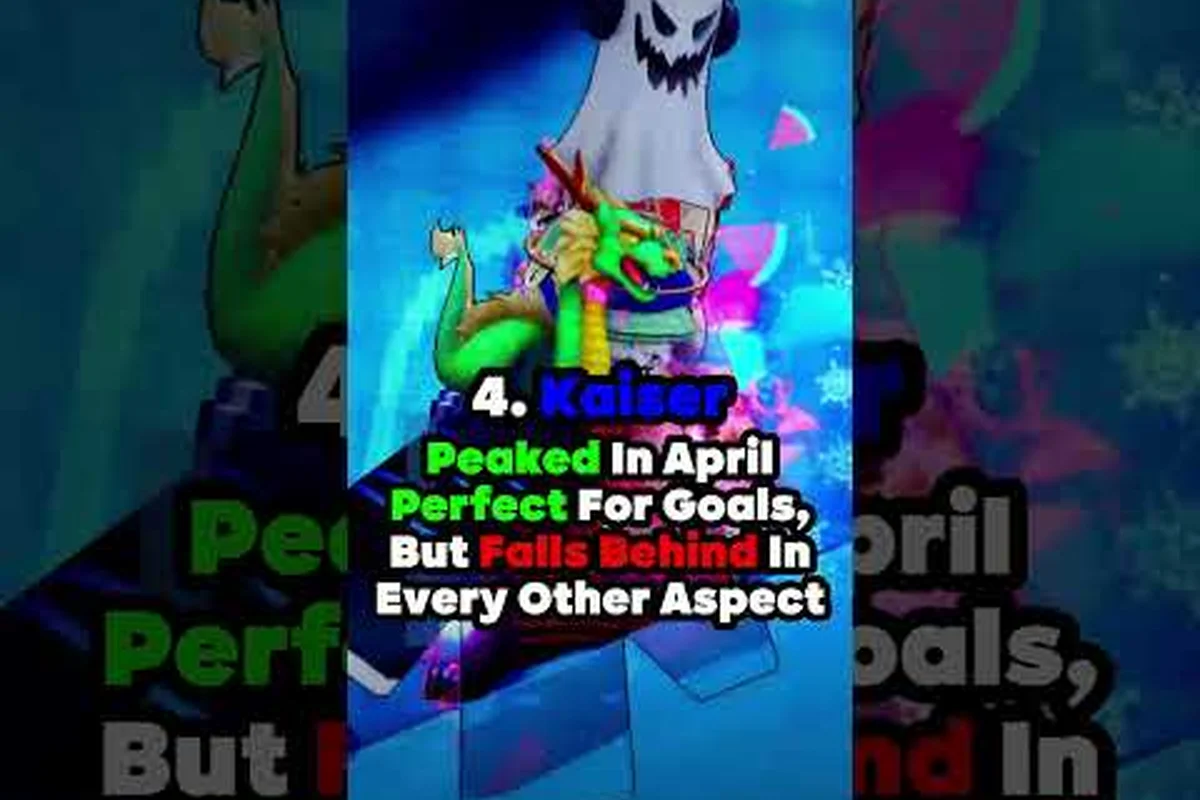
Blue Lock: Rivals meta rankings matter because each Style changes how you attack, defend, and build a 5v5 game plan. The blue lock rivals current meta now includes Zantetsu, updated Sae and Yukimiya, and several high-impact alternatives.
Current Meta Overview
The Blue Lock: Rivals current meta is less about finding one universally dominant Style and more about combining complementary strengths. A speed attacker can pull attention away from a technical dribbler, while a creative passer can create chances for a direct finisher. Because every player commits to a Style before entering a match, understanding the blue lock rivals meta styles helps you avoid duplicated roles and prepare for the formations opponents are likely to use.
The game’s Blue Lock: Rivals official Roblox listing identifies a 5v5 format with ten-player servers and a Style-based ability system. It also lists a broad roster that includes Isagi, Bachira, Chigiri, Nagi, Barou, Rin, Sae, Shidou, Kaiser, Loki, Lavinho, Snuffy, Zantetsu, Yukimiya, Aiku, and Gagamaru. The experience is an unofficial fan tribute rather than a product endorsed by the anime’s rights holders, so community tier opinions should be treated as dated assessments rather than developer rankings.
This blue lock rivals meta snapshot uses a practical competitive framework rather than pretending that exact balance values are public. The official page does not document damage figures, cooldowns, prices, or drop rates, so those details are best verified in game. Community reports are especially useful for identifying shifts in emphasis, such as the rise of pace, the value of strong first-touch control, and the renewed importance of vision after recent Style updates.
| Meta factor | What it improves | Strong Style examples |
|---|---|---|
| Spatial awareness | Reading play and arriving in dangerous areas | Isagi, Rin |
| Ball control | Keeping possession under pressure | Nagi, Bachira, Lavinho |
| Speed | Reaching loose balls and breaking lines | Chigiri, Zantetsu, Loki |
| Finishing | Converting chances with power or placement | Barou, Shidou, Kaiser |
| Passing | Creating openings through intelligent distribution | Sae, Snuffy |
| Defending | Anticipating attacks and protecting space | Aiku, Gagamaru |
How to Read the Rankings
A tier measures practical impact rather than rarity, visual popularity, or the number of impressive abilities attached to a Style. An S-tier Style can alter the shape of a match, an A-tier Style fits many teams reliably, and a B-tier Style becomes dangerous when the surrounding lineup supports its strengths. C-tier Styles are not necessarily unusable; they are harder to value because their ideal conditions are narrow or because another Style performs the same job more consistently.
This distinction is especially important when tracking blue lock rivals patch tier list changes. A small shift in community perception can move a Style up one tier, but it does not prove that its numerical values changed. Players should also remember that the roster includes both attacking Styles and the goalkeeper reference Style, so a complete ranking needs more than a striker-only list.
Best Role Balance for Competitive Play
| Team need | Priority Style | Why the role remains valuable |
|---|---|---|
| Final-third creativity | Isagi or Sae | Both offer different ways to find space and connect with teammates |
| Individual ball retention | Bachira or Yukimiya | Dribble-first styles can relieve pressure when passing lanes close |
| Transition speed | Chigiri or Zantetsu | Pace is valuable when possession breaks down |
| Direct goal threat | Barou, Shidou, or Kaiser | These Styles specialize in different finishing approaches |
| Build-up control | Nagi or Snuffy | Possession and support structures create repeatable attacks |
| Defensive anchor | Aiku | Reading the game can prevent dangerous entries before they develop |
For a broader ranking of individual choices, compare this meta-focused snapshot with the site’s overall Blue Lock: Rivals tier list. The overall list is useful for general strength, while the current meta ranking emphasizes combinations, recent attention, and matchup value.
Top Meta Styles After Recent Updates
The strongest blue lock rivals meta styles are those that influence possession, space, and finishing rather than merely winning isolated duels. Isagi’s spatial reading, Bachira’s dribble-first control, Nagi’s first-touch mastery, and Chigiri’s acceleration remain central to how strong teams attack. However, the recent addition of Zantetsu and reported updates to Sae and Yukimiya have made the top end more varied.
| Tier | Styles | Current competitive reading |
|---|---|---|
| S | Isagi, Bachira, Chigiri, Nagi | Can influence major phases of a match and fit many team structures |
| A | Barou, Rin, Sae, Shidou, Kaiser | Reliable high-impact options with distinct attacking identities |
| B | Loki, Lavinho, Snuffy, Zantetsu, Yukimiya | Valuable in the right setup; consistency depends on execution and teammates |
| C | Aiku, Gagamaru | More situational when evaluated as attacking Styles, while essential in their real roles |
This blue lock rivals best style 2026 discussion is deliberately flexible. Bachira can be strongest when isolated defenders become overconfident, Nagi can dominate a match that rewards close control, and Chigiri can capitalize whenever teams fail to defend transition space. No single choice wins every scenario, so the “best” label depends on the matchup and whether the team can protect the relevant weakness.
Isagi and Rin: Elite Versatility
Isagi remains a benchmark because he reads space and moves toward where the ball is likely to arrive. Rin provides the broader attacking reference point, combining direct threat with all-around participation. Their value is not limited to finishing; both can influence the possession structure when teammates move intelligently around them.
Isagi works best when he has options rather than being the only attacking outlet. Rin benefits from teammates who stretch the field and punish defensive hesitation. If your squad already relies on a player to carry the ball through pressure, adding either Style may feel redundant. That is why a more comprehensive Style-by-Style comparison is valuable when deciding between similar attacking picks.
Bachira, Nagi, and Lavinho: Control at Different Speeds
Bachira attacks with unpredictable dribbling and close control, while Nagi excels through first-touch control, trapping, and aerial finishing. Lavinho offers a technical, feint-driven approach that fits players who prefer craft over raw pace. All three can influence possession, but they solve different problems.
Bachira is strongest when direct passes become predictable and one-on-one pressure is available. Nagi fits teams that need composure around the ball, especially when chaotic second balls matter. Lavinho requires more deliberate close control, making him less forgiving for players who struggle to protect the ball. Yukimiya also belongs in the dribbling conversation, but his updated version should be judged by current community testing rather than older clips.
Barou, Shidou, and Kaiser: Finishing Pressure
Barou offers power and direct shooting, Shidou supplies explosive finishing with an established limited seasonal variant, and Kaiser provides a ranged-impact identity. Their ranking remains high because goals decide matches, yet their practical value depends on possession creation. A finisher who receives little service will rarely justify a top placement by herself.
Barou fits teams willing to create direct routes toward goal. Shidou rewards players who can attack space quickly, especially during counterattacks. Kaiser is associated with impactful long-range finishing, although exact range and numerical output are not documented on the official page. For position-specific recommendations, the best striker Style breakdown can help translate these meta rankings into selection criteria.
Zantetsu, Yukimiya, and Sae: The Updated Wave
Zantetsu’s arrival immediately makes speed and finishing relevant to the blue lock rivals november 2026 tier list. He was added on October 31, so there is limited long-term match history to support a definitive judgment. His B-tier placement reflects early upside rather than a lack of potential, and players should monitor how consistently he can convert the spaces created by faster attacks.
Yukimiya’s rework places him among dribbling specialists whose value depends on execution against close defenders. Sae’s rework centers attention on passing and vision, giving creative teams another option for breaking compact defensive lines. Since community reports describe these updates without publicly documenting exact values, the safest approach is to test them in live matches and compare practical consistency.
November 2026 Tier List and Patch Changes
The blue lock rivals november 2026 tier list is shaped less by a single dominant character than by a contest between pace, possession control, creative passing, and direct finishing. Zantetsu’s release, the reported Sae rework, and the Yukimiya update add new questions to the rankings. Seasonal Limited Styles also matter because Shidou’s Halloween variant exists in the roster, yet availability and effectiveness should be confirmed inside the game.
| Movement | Style | Community-reported change | Practical interpretation |
|---|---|---|---|
| Rising | Zantetsu | Added October 31 | High-upside pace finisher, but still needs match testing |
| Rising | Yukimiya | Reworked during 2026 | Potentially stronger dribbling option depending on close control |
| Rising | Sae | Reworked during 2026 | More attention around passing and creative support |
| Stable | Shidou | Halloween limited variant present | Strong finishing identity with seasonal availability to verify |
| Stable | Isagi, Bachira, Chigiri, Nagi | Consistent community mentions | Continue to anchor most balanced teams |
These blue lock rivals patch tier list changes should be interpreted as meta movement, not a confirmed balance-adjustment chart. The official game page confirms the roster, server format, and Style selection structure, but it does not publish numerical patch notes for these Styles in the supplied research. Players who report stronger early results should note the match date, queue context, and lineup because a single highlight can distort perception.
What Makes a Patch Move a Tier
A tier change should require more than one successful clip. Look for repeated patterns across several matches: repeated chances created, successful finishes under defensive pressure, reliable involvement in transitions, or a clear change in how teammates can use the Style. If those patterns continue over a meaningful sample, the community opinion becomes more useful.
| Evidence quality | What to check | Example |
|---|---|---|
| Weak | One highlight or a short clip | A single long-range goal |
| Moderate | Several matches in one queue type | Repeated impact as a secondary attacker |
| Strong | Consistent results across roles and opposition | Reliable performance in both controlled possession and transition play |
| Strongest | Combined team results and match repetition | A lineup repeatedly creates chances through the same Style identity |
Because exact cooldown and damage changes are not documented, players should verify tooltips and the live interface instead of relying on old community charts. This is particularly important when reading the nerfed and buffed Styles overview, since dated impressions can quickly become inaccurate.
Limited Styles and Seasonal Variance
Halloween Shidou shows how a limited variant can make an existing Style feel fresh without changing the fundamental role. A seasonal Style may encourage different teammates to pass toward a familiar finisher, but rarity alone does not guarantee a higher competitive tier. If the limited version changes ability access or presentation, those distinctions should be confirmed directly in game.
Seasonal additions can also shift the blue lock rivals meta temporarily because players experiment with unfamiliar tools. Once the novelty fades, the best Style 2026 choices usually return to those with dependable timing, clear positioning, and useful team relationships. A balanced roster remains more valuable than chasing a novelty pick with no established matchup pattern.
Patch Tier List Changes by Role
Role-based analysis is essential because a striker, midfielder, and defender should not be judged by the same criteria. A creative midfielder who never scores may still control the match, while a defender may influence the game through anticipation. The blue lock rivals meta styles therefore look different when judged by contribution rather than goals alone.
| Role | Leading candidates | Secondary options | Main caution |
|---|---|---|---|
| Central attacker | Isagi, Barou, Shidou | Kaiser, Rin | Avoid choosing only for finishing if service is limited |
| Creative midfielder | Bachira, Sae, Yukimiya | Nagi, Lavinho | Control can fail when the team lacks forward outlets |
| Wide or transition player | Chigiri, Zantetsu, Loki | Rin, Bachira | Pace loses value when possession never reaches dangerous areas |
| Support attacker | Snuffy, Sae, Nagi | Isagi, Lavinho | Support must still influence a clear attacking phase |
| Defender | Aiku | Other roster options require in-game review | Do not judge a defender from attacking-tier charts |
| Goalkeeper | Gagamaru | Verify alternatives in game | Position is specialized and cannot be replaced by an outfield Style |
The blue lock rivals current meta is strongest when team roles are distinct. A side built around Isagi needs runners who can occupy defenders, whereas a Bachira-led attack benefits from teammates who stretch opponents and offer passing targets. Chigiri and Zantetsu can share transition goals, but stacking multiple pace-dependent Styles may leave the team vulnerable when possession slows down.
Attacker Combos That Cover More Ground
Isagi plus Chigiri combines spatial awareness with speed, allowing one player to attack central space while the other attacks a flank or recovery lane. Bachira plus Barou pairs close control with a direct finish, which can pull defenders in different directions. Sae plus Shidou connects creative distribution with an explosive scorer, although the team must ensure that Sae has a visible passing target rather than sending passes into occupied areas.
Nagi plus Kaiser provides control and ranged finishing potential, but the defense can compress the middle if both players need the ball in the same zone. Zantetsu plus Nagi is an interesting high-upside pairing because one Style can attack space while the other controls the first touch. Its success will depend on team spacing and whether the attack can transition quickly enough to exploit pace.
For a focused comparison of attacking Styles, use the Isagi, Loki, Rin, and Zantetsu matchup analysis. The practical lesson is that a strong pick should create a problem the opposition cannot solve easily. If every teammate wants the same lane or ball, even an individually excellent Style may produce poor results.
Defensive and Goalkeeper Reality
Aiku is described in page-verified information as a defensive reader from the Neo Egoist League wave, making him the clearest dedicated defensive option in the available roster. Gagamaru serves as the reference goalkeeper Style. Their value cannot be measured on the same offensive scale as Barou or Kaiser because stopping attacks and organizing the defense create different match effects.
Defensive Styles also interact with tempo. If the opposing team relies on Chigiri or Zantetsu, the back line must protect transition space rather than simply mark the nearest opponent. Against Bachira or Yukimiya, anticipation and support pressure become more valuable because the attacker can change direction. Against direct finishers such as Barou or Shidou, the priority shifts toward denying a clean shooting path.
Practical Recommendations for the Latest Meta
Use the blue lock rivals meta as a draft plan, not a fixed answer. Begin with the role your team lacks, then select the Style that performs that role consistently. If your squad already has strong central creation, add width or transition threat. If possession often breaks down, prioritize control. If opponents keep winning second balls, speed may be more valuable than another technical attacker.
| Team situation | Best adjustment | Styles to consider |
|---|---|---|
| Too many central attackers | Spread the attack | Chigiri, Zantetsu, Lavinho |
| Lack a reliable finisher | Add a direct threat | Barou, Shidou, Kaiser |
| Struggles to progress through midfield | Improve creative support | Sae, Snuffy, Isagi |
| Loses possession under pressure | Add close control | Nagi, Bachira, Yukimiya |
| Opponents dominate transitions | Improve recovery speed | Chigiri, Zantetsu, Aiku |
| Needs a clearer defensive anchor | Protect central space | Aiku with Gagamaru |
This approach produces more stable results than asking which Style is universally strongest. The site’s Sae, Shidou, Nagi, Barou, and Chigiri comparison adds useful role context when two attacking Styles appear equally appealing. Look for the combination that creates multiple useful actions rather than a single spectacular highlight.
A Simple Match-Ready Selection Process
Start by reviewing the previous match instead of selecting from a general popularity chart. Identify the largest repeated problem: slow transitions, poor first touches, crowded passing lanes, missed chances, or weak defensive recovery. Then choose a Style that addresses that problem without recreating a role already filled by a teammate.
Next, test the selection in a controlled sample. Track whether the Style creates the intended advantage over several matches rather than judging one result. A creative passer may need teammates to move differently, while a finisher may need clearer routes to goal. Remember that the game uses five-player teams, so lineup balance is more meaningful than stacking three powerful attackers and leaving defense unsupported.
Finally, keep a fallback. If the selected Style is being used by every opponent or if the team already provides the same function, choose a complementary alternative. Role clarity and repeatable execution remain more dependable than chasing every early-season trend.
What the Official Information Confirms
The official page confirms the Style roster, ten-player server size, 5v5 format, and the fact that players select a Style before queueing. It also records substantial engagement: 5,023,398,888 visits, 18,462 concurrent players, 6,321,696 favorites, and 10,276,194 likes when checked on November 1, 2026. These figures show the scale of the community, which is why even small impressions can affect tier discussions.
Those popularity totals do not prove individual Style strength. A widely selected character may be attractive because of animation, rarity, novelty, or team familiarity rather than a verified competitive advantage. Likewise, community video coverage such as KTG Gaming’s Style testing video provides useful evidence that players actively compare the roster, but its conclusions remain community opinion and should be checked against live play.
Community Opinion, Evidence, and Final Meta Takeaways
The strongest conclusion in the Blue Lock: Rivals current meta is that Style value depends on possession, space, and teammate behavior. Isagi, Bachira, Chigiri, and Nagi retain the broadest ability to influence matches, while Barou, Rin, Sae, Shidou, and Kaiser offer dependable attacking identities. Zantetsu is the clearest new variable, and the updated Sae and Yukimiya deserve more matches before confident final rankings are assigned.
| Conclusion | Evidence level | Player takeaway |
|---|---|---|
| Isagi, Bachira, Chigiri, and Nagi remain top choices | Repeated community consensus plus page-verified roster | They provide flexible, high-impact foundations |
| Barou, Rin, Sae, Shidou, and Kaiser remain reliable | Consistent community mentions | They fit clearly defined attacking roles |
| Zantetsu is promising but not fully proven | New release and limited match history | Treat current excitement as provisional |
| Sae and Yukimiya are worth retesting | Reported 2026 reworks | Verify performance in the live version |
| Limited Styles can shift interest temporarily | Shidou Halloween variant confirmed on the roster | Check availability and exact in-game behavior |
| Exact numerical balance values remain unknown | Not documented by the official page | Avoid unsupported damage, cooldown, or price claims |
The blue lock rivals best style 2026 answer depends on whether you value control, speed, creation, finishing, or defensive anticipation. The best style is the one you can use confidently while your team gives it room to operate. This snapshot captures the current community view without inventing undocumented balance numbers, and it should be updated whenever the live game reveals clearer patterns.
Frequently Asked Questions
What is the strongest Blue Lock: Rivals Style in the current meta?
Isagi, Bachira, Chigiri, and Nagi form the leading group in the current community view because they can influence possession, space, and transitions. No Style wins every matchup, so team needs and player confidence matter as much as tier position. Verify current results in live play before making a final selection.
Is Zantetsu already an S-tier Style after his November 2026 release?
Zantetsu belongs in the high-upside group, but his limited match history makes an S-tier label premature. His speed and finishing identity create clear value when the team can attack transition spaces. Until more matches demonstrate consistency against varied opponents and systems, a B-tier placement with upward potential is more defensible.
How should players react to the reported Sae and Yukimiya reworks?
Treat both Styles as important test candidates rather than automatic tier upgrades. Sae may have gained value through passing and vision, while Yukimiya’s reported changes affect a dribbling identity that already depends on close control. Check the live tooltips and compare several full matches before moving either Style decisively.
Which approach is safest when the latest tier data is uncertain?
Choose a Style that fits a clear team need and matches your own strengths. Isagi, Bachira, Nagi, and Chigiri offer different ways to influence the game, while Barou, Shidou, and Kaiser supply clearer finishing roles. Avoid making decisions from rarity, popularity totals, or a single highlight when reliable community evidence remains limited.