Blue lock rivals training drills turn chaotic 5v5 matches into repeatable skill sessions. That matters because passing, spacing, shot preparation, and defensive timing improve faster when you isolate one mechanic, measure each attempt, and correct one weakness at a time.
Training Structure and Warm-Up
A useful blue lock rivals warm up prepares your movement before it prepares your shot. Begin away from pressure, move through short acceleration and direction-change patterns, then add a controlled pass or dribble. This separates mechanical readiness from the chaos of a live match and makes it easier to identify whether a mistake came from timing, positioning, or execution.
Blue Lock: Rivals is a fan-made 5v5 Roblox football experience with a 10-player server. Players select a character Style before queueing, and that choice determines which abilities are available during the match. The official Roblox page for Blue Lock: Rivals also distinguishes Flow, which develops through involvement, from Awakening, the limited burst associated with a Style. Those systems make deliberate practice more valuable than repeatedly activating abilities without a plan.
A Practical 30-Minute Session
Use a private server when possible, although some exercises require a teammate or defender. Keep every exercise short, measurable, and repeatable. The goal is not to win a scrimmage; it is to produce a cleaner first touch, better pass, earlier defensive reaction, and more controlled finish.
| Phase | Time | Main focus | Success check |
|---|---|---|---|
| Movement warm-up | 5 minutes | Acceleration and direction changes | Three clean directional runs |
| Passing circuit | 7 minutes | Weight of pass and reception | Most passes reach the intended lane |
| Shot preparation | 8 minutes | Wind-up and release timing | More on-target attempts |
| Defensive reaction | 7 minutes | Angle, distance, and tackle timing | Fewer unnecessary contests |
| Review | 3 minutes | Identify one adjustment | One clear correction for next session |
What Makes a Drill Repeatable
A drill should have a clear starting position, one variable, and an easy result to judge. For example, begin beside a stationary target, pass from a fixed distance, and record whether the ball reaches the intended area. If you move the target farther away on every attempt, you introduce two changes and cannot tell whether your passing improved or the target simply became more difficult.
| Drill quality | Weak version | Better version |
|---|---|---|
| Starting position | Open space with no rule | Mark a fixed passing lane |
| Pressure | Random defender arrives | Defender starts from a known distance |
| Goal | Score once | Complete three controlled passes in succession |
| Review | Vague feeling | Note one technical adjustment |
For foundational positioning and match rules, use the beginner guide to Blue Lock: Rivals before judging advanced execution. Once the basic controls and Style selection are familiar, the rest of this routine becomes easier to measure because you can focus on the movement itself rather than relearning the interface.
Drills for Passing and Ball Control
Passing improves when you train the decision and the contact together. A successful pass requires the ball to leave your control in a lane a teammate can enter, yet many players focus only on whether the ball reaches a target. Your blue lock rivals drills should therefore alternate between stationary accuracy, moving receivers, and pressured decisions.
Four Passing Patterns
Start with the Stationary Target drill. Mark a target area and pass from a fixed position, adjusting your contact and approach. Complete ten passes, record the successful attempts, and keep the target and starting distance unchanged for the next set. This provides a clean baseline before adding movement.
The Moving Receiver drill changes the passing target’s behavior. Have a teammate move laterally, begin a run, or receive the ball while facing a new direction. Your goal is not merely to connect; you should pass into space the teammate can reach without requiring an unnatural stop. Successful play depends on reading the receiver’s route, which means this exercise trains perception as well as contact.
In the Pressure Pass drill, a defender starts from a fixed distance and approaches only after the pass begins. Keep the target modest at first. If every attempt becomes a frantic clearance, increase the distance or reduce the defender’s speed until the pass has a reasonable chance of traveling through the intended lane.
| Passing drill | Setup | What to watch | Useful correction |
|---|---|---|---|
| Stationary target | Fixed target and distance | Ball starts and ends cleanly | Adjust contact before approach |
| Moving receiver | One timed route | Lead space, not the receiver’s feet | Pass where the run is going |
| Pressure pass | Defender reacts late | Body shape and weak-foot balance | Keep the passing side clear |
| Two-touch exchange | Controlled return pass | First touch after reception | Cushion the incoming ball |
Flow and Deliberate Involvement
The game’s documented Flow system builds through involvement such as completed passes, dribbles, and defensive actions. It functions as an in-match window rather than a permanent upgrade, so practicing meaningful involvements can help you recognize productive patterns. Do not chase Flow as the sole objective, because that may encourage risky actions; instead, notice which passing choices create continued possession.
This is where blue lock rivals skill improvement becomes measurable. Keep two counters: successful passes attempted and possessions continued after the pass. A lower completion rate may be acceptable if the pass reliably advances play, whereas a high rate with no continuation could reveal that you are merely passing sideways. Use the Blue Lock: Rivals 5v5 guide to connect individual passing exercises with team shape.
Mechanics Practice for Shooting
Shooting practice should separate footwork, body balance, ball contact, and decision-making. Many apparent accuracy problems are actually preparation problems: the player approaches without enough space, starts the wind-up too late, or releases after the ball has moved awkwardly. Blue lock rivals mechanics practice should diagnose that sequence instead of repeating the same shot unchanged.
The Shot Wind-Up Sequence
Use a two-zone drill. Mark a Preparation Zone where you build the run toward the ball and a Decision Zone where you choose your final action. Begin far enough away that you can control the approach. During the wind-up, check that your steps land in a controlled path, your body remains stable, and the strike occurs before the ball becomes awkward.
Place targets in different areas, such as the corners, central lane, and far side. Score each attempt according to placement, balance, and power rather than simply whether a goal occurs. A goal can hide a poor process, while a miss can result from a sensible buildup against a difficult defensive angle.
| Shooting focus | Target result | Drill variation |
|---|---|---|
| Approach | Stable final step | Vary the starting distance gradually |
| Placement | Correct corner or lane | Alternate sides between attempts |
| Balance | Shot completes without loss of control | Add a light defender pressure later |
| Decision | Choose the right moment to strike | Practice both open and contested shots |
| Recovery | Stay useful after shooting | Add a short movement task afterward |
Build Three Shot Families
The first family is the Open Finish, designed to establish contact and placement without pressure. Keep the target realistic, focus on repeatable mechanics, and stop the set once your results begin to deteriorate. Fatigue can distort technique, so a controlled rest is more productive than forcing a low-quality final repetition.
The second family is the Pressure Finish, where a defender approaches from a known side. Your decision to shoot immediately or adjust the body position matters as much as contact. If the defender reaches the ball early every time, you may be starting the run too late. If every attempt involves frantic contact, you may need more space and a calmer first touch.
The third family is the Recovery Finish, which adds a movement task immediately after the shot. This trains the transition between attacking and defending, a common gap in live matches. A powerful finish that leaves the player stationary may be less valuable than a controlled shot that allows recovery toward the next play.
Avoid These Measurement Mistakes
Do not judge an entire session from one attempt, and do not change three variables at once. If you change the distance, target, and pressure in the same set, the result becomes impossible to interpret. Keep a short note after each block: target, distance, pressure level, and whether the strike followed a controlled wind-up.
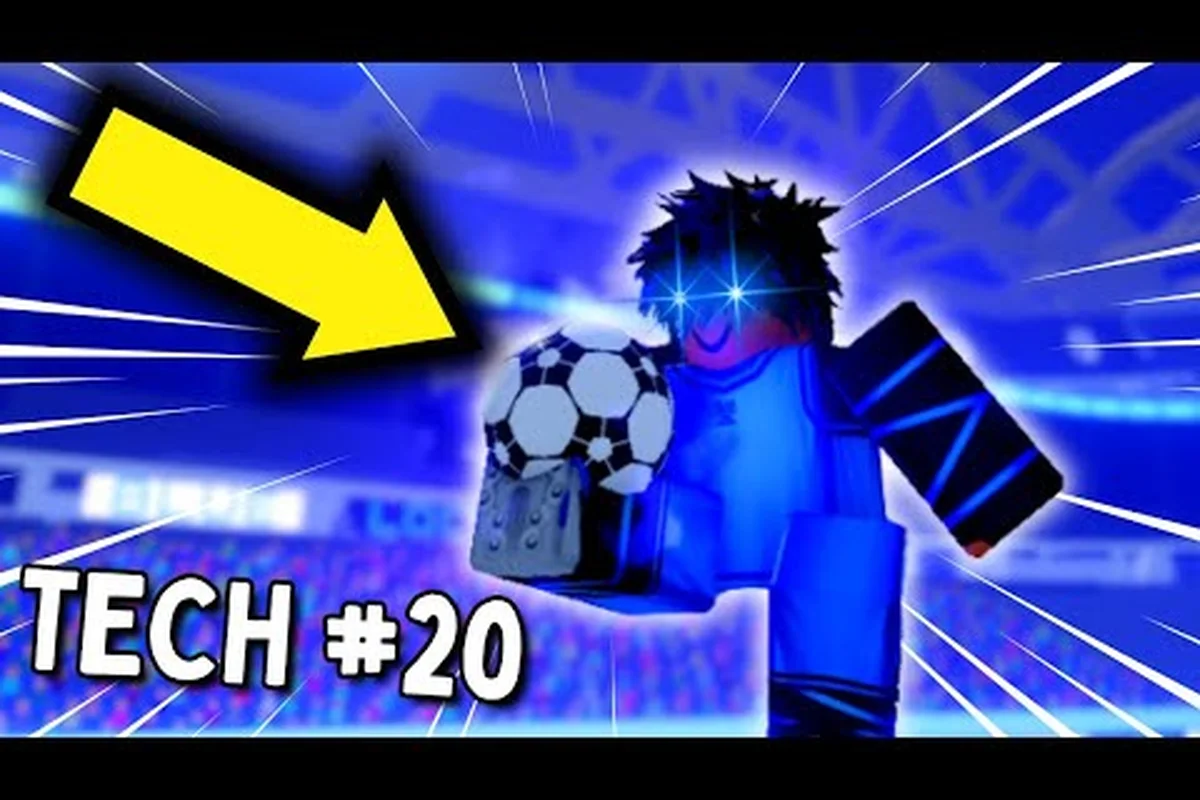
Community videos can help reveal which playstyles other players enjoy testing, but individual Style performance can change with matchmaking, teammates, and updates. This community video testing every playstyle is best treated as a demonstration of the roster rather than proof that one Style is always superior.
Training for Defensive Timing
Defensive improvement comes from preserving useful angles, not from making every challenge. In a 5v5 football match, a defender who repeatedly commits from the same distance can be beaten by the same action. Your blue lock rivals training should teach you how to recognize the possession, adjust your distance, and challenge at a purposeful moment.
Angle, Distance, Decision
Use the Three-Stage Defense drill. The offensive player begins with the ball, the defender establishes an angle, and the final decision depends on the attacker’s next touch. Start with the defender several steps away so there is enough time to retreat or hold position. As the pattern becomes familiar, reduce that distance gradually.
A defender should not wait passively until the ball is already beside the attacker. Instead, watch the attacker’s body and the ball’s location, then decide whether to delay, angle the run, or commit. The objective is to make the forward option less comfortable while keeping the challenge realistic. When the tackle timing is early, avoid switching styles immediately; first check whether your starting distance was too close.
| Defensive error | Likely training issue | Adjustment |
|---|---|---|
| Challenge occurs before attacker reaches the ball | Starting too close | Begin farther away |
| Attacker walks directly past the defender | Static positioning | Add lateral movement |
| Defender retreats without pressure | No forward urgency | Use a fixed approach pattern |
| Frequent missed tackles | Unclear commitment point | Pause briefly before the challenge |
| Recovery is too slow | No post-tackle plan | Add a short recovery route |
Partner Reaction Drill
A partner can create a controlled choice by beginning a dribble and then pausing, changing direction, or lifting the ball into a pass. The defender must react without knowing which action will come. Keep the first repetition slow enough for the defender to recognize the cue. Then shorten the pause and make the partner less predictable.
Record the defender’s decision point, not only the tackle result. If you always wait until the ball is at the attacker’s feet, your challenge will be late. If you always commit when the attacker first moves, your challenge will be premature. The productive range lies between those extremes, where the defender reacts to genuine information rather than a timer.
For broader principles that complement this drill, the Blue Lock: Rivals tips guide can help identify habits worth testing. Treat every tip as a hypothesis: put it into practice, record the result, and retain it only when it improves your timing under realistic pressure.
Skill Improvement Plan for Match Play
Drills create isolated repetitions, but improvement must survive a live 5v5 environment. The next stage of blue lock rivals training is transfer: keep one technical goal while adding movement, teammates, opponents, and time pressure. This is where an accurate passing drill becomes useful support rather than a disconnected exercise.
The Three-Goal Match Plan
Choose only three goals before entering a match. A balanced set might include one controlled pass, one defensive delay, and one clean shot preparation attempt. Keep them observable, because a vague goal such as “play better” provides little guidance after the match.
| Session goal | Observable target | Why it belongs in a match |
|---|---|---|
| Passing | Pass into a teammate’s movement lane | Measures timing with real defenders |
| Defense | Delay the attacker before committing | Preserves defensive structure |
| Shooting | Complete a balanced wind-up | Tests technique under pressure |
| Recovery | Return toward play after an action | Builds useful transitions |
| Flow involvement | Maintain meaningful possession actions | Connects participation with the in-match system |
During the match, use brief mental cues rather than narrating a long checklist. For a forward, the cue might be “look up before passing.” For a defender, it might be “make them wait.” After the match, review only moments that match your three goals. The beginner mistakes guide can then help classify repeated errors into positioning, timing, or decision categories.
A Four-Match Improvement Cycle
Run the same three goals for four matches, then change them. This prevents you from changing standards every session and gives enough repetitions to see meaningful patterns. If your passing completion improves but your defensive delay worsens, keep the passing routine and isolate defense in the next training block.
| Cycle stage | Focus | Review method |
|---|---|---|
| Match 1 | Establish a baseline | Record attempts and notable failures |
| Match 2 | Repeat the same goals | Compare consistency |
| Match 3 | Add one pressure variation | Identify adaptation |
| Match 4 | Perform under normal match demands | Decide what to retain |
Awakening should be treated as a timing decision attached to the chosen Style, not a button to activate whenever possible. The official game information separates it from Flow, and Awakening Outfits are listed as cosmetic. Practice should therefore test whether an important action becomes easier when Awakening is available, while acknowledging that exact timing and ability details are not documented on the official page and should be verified in game.
Drills for Matchday Warm-Up
A matchday blue lock rivals warm up should be shorter and more specific than a full training session. Its purpose is to raise coordination, remind you of your chosen Style, and prepare your first actions. Spending the entire warm-up on one precise shooting exercise may improve touch, but it may leave passing, movement, and decision-making unprepared.
Four-Stage Matchday Routine
Begin with Movement Activation, using controlled acceleration, stopping, and lateral changes. Next, complete Ball Contact Reps, alternating simple passes with controlled touches. Add One Tactical Rehearsal, such as a passing angle or defensive delay, and finish with Style Readiness, allowing a brief opportunity to use the Style you selected without assuming that the same timing always applies in a crowded match.
| Warm-up stage | Approximate time | Purpose |
|---|---|---|
| Movement activation | 3 minutes | Prepare acceleration and direction changes |
| Ball contact | 3 minutes | Improve first-touch reliability |
| Tactical rehearsal | 2 minutes | Rehearse one match intention |
| Style readiness | 2 minutes | Review the selected Style |
| Final focus | 1 minute | Choose a simple cue for the opening possession |
Do not stretch the routine until it becomes a full workout that leaves you fatigued. The exact pre-match routine should feel repeatable, because consistency makes it easier to carry into the opening minutes. If you are still learning the game’s flow, the first-match guide can help you pair the warm-up with sensible early-match priorities.
One-Cue Match Plan
Choose one behavioral cue for the opening minutes:
-
Pass first: Look for a simple passing lane before attempting a difficult forward action.
-
Delay the challenge: Create an angle and wait for the attacker to commit.
-
Balance before contact: Use a controlled approach rather than forcing a shot.
-
Recover after actions: Move toward the next phase immediately after passing, tackling, or shooting.
A single cue works because it reduces decision overload. Trying to improve passing, shooting, defending, positioning, and Flow simultaneously can leave you unable to identify which behavior changed. Over several matches, rotate the cue and compare the results.
Training Drills: Common Corrections
A training plan is only useful when bad reps produce clear corrections. If you always change your technique after every attempt, you cannot determine what caused the improvement. Use the table below to identify the most likely problem from the visible outcome, change one variable, and retest.
| Observed problem | Likely cause | One-variable correction |
|---|---|---|
| Pass travels away from target | Contact or approach changed | Reset to the same starting position |
| Consecutive passes break down | Receiver speed increased too quickly | Return to a slower route |
| Shot feels unstable | Final step is rushed | Shorten the approach |
| Tackle arrives too late | Defender started too close | Increase starting distance |
| Flow drops during practice | Involvements are rushed | Finish controlled possession actions |
| Match play ignores drill results | Transfer was too simple | Add one realistic constraint |
Record Results Without Overanalyzing
A simple log is enough: drill, number of attempts, number of successes, and one sentence about the next adjustment. “Ten passes, six on target, need cleaner contact on the second touch” is more useful than a long paragraph of general impressions. Keep the workload manageable so that recording does not replace practice.
Blue lock rivals mechanics practice is most effective when each session answers a single question. Passes may need more weight, shots may need a calmer final step, and tackles may need a different starting distance. The answer changes from player to player and across updates, so verify the game’s current behavior in practice rather than treating any one routine as permanent doctrine.
Frequently Asked Questions
What is the best way to practice in Blue Lock: Rivals?
Use private servers for controlled repetition, then add teammates and opponents during transfer practice. Begin with passing, shooting preparation, and defensive timing drills, record the results, and change one variable per set. This approach makes Blue Lock: Rivals training measurable while preserving the unpredictability that makes 5v5 matches challenging.
How long should a training session last?
A focused session can last about 30 minutes: five minutes of movement warm-up, seven minutes of passing, eight minutes of shooting preparation, seven minutes of defense, and three minutes for review. Shorter sessions are still useful when you complete one drill with clear goals, because focused attention usually produces better feedback than an unstructured queue of matches.
Should I practice with only one Style?
You can, especially when learning the controls and role associated with a Style. Add another Style later to test movement and decision-making under different tools. Because exact abilities, cooldowns, and current balance are not fully documented on the official page, compare playstyles through your own results and community experience rather than fixed assumptions.
How do I improve shooting without wasting time?
Isolate the full wind-up instead of taking random shots from different positions. Practice a fixed approach, controlled final step, target placement, and short recovery movement before adding a defender. Track attempts and targets, then adjust only the component that repeatedly fails.
What should I review after a Blue Lock: Rivals match?
Review three observable moments: one successful possession, one failed attacking action, and one defensive decision. Ask whether positioning, timing, technique, or judgment caused each result. This approach turns a match into useful blue lock rivals skill improvement data instead of a scoreboard review that focuses only on the final score.