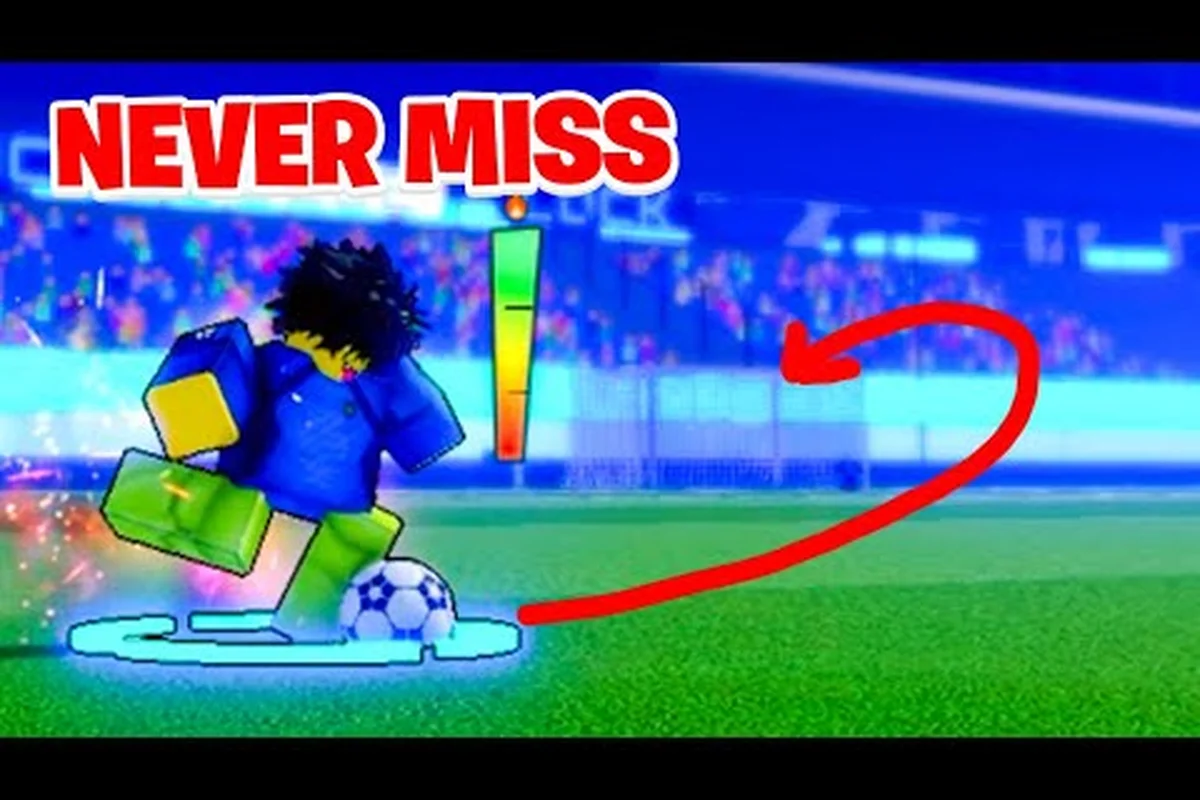
In Blue Lock: Rivals, each skill changes how a 5v5 match develops: dribbling opens angles for a shot, passing can pull defenders away before a header, and stealing can break up a counterattack. The Rainbow Flick adds a movement-based way to beat pressure, while shot timing and the selected Style affect which abilities become available. Master these Blue Lock: Rivals techniques together, because individual execution rarely creates a clean scoring chance without coordinated spacing and timing.
The official game page identifies shooting, dribbling, the Rainbow Flick, headers, passing, and stealing as separate learnable techniques, while the Style chosen before a match determines which abilities are available. That means useful improvement comes from understanding the shared mechanics first, then adding the movement tools your selected Style provides.
Skills: The Core Mechanics
Blue Lock: Rivals is a fast 5v5 Roblox football experience built around a small set of repeatable actions. The official Blue Lock: Rivals game page lists shooting, dribbling, Rainbow Flick, headers, passing, and stealing as the main skill layer, and players select a Style before queueing. These mechanics matter because even the most exciting Style cannot replace good ball control, positioning, or timing.
| Core skill | What it controls | Best training focus | Common mistake |
|---|---|---|---|
| Shooting | Shot power and placement | Release timing and goal angle | Hitting the wind-up too early |
| Dribbling | Close control and direction changes | First touch and acceleration rhythm | Turning before securing the ball |
| Rainbow Flick | Escape movement | Trigger timing under pressure | Using it when no defender is nearby |
| Headers | Aerial contact | Jump timing and approach angle | Jumping after the ball arrives |
| Passing | Ball delivery | Weight, direction, and receiving lane | Passing before the teammate is ready |
| Stealing | Defensive possession | Challenge distance and approach angle | Tackling from the wrong side |
Shoot With Placement Before Raw Power
Every attack begins with a decision: should you strike the ball firmly, or place it where the goalkeeper cannot reach it? The game’s skill layer separates shot placement from shot power, and close-range wind-ups make the release moment especially important. A powerful swing can still miss if it activates too early, while a gentler finish may travel toward a safer area when the keeper is already moving.
Beginners should practice two versions of the same finish. The first targets an open corner with moderate power, and the second waits for a clear shooting lane. This builds a repeatable timing habit without forcing every duel to become a power contest. If your aim is inconsistent, the Blue Lock: Rivals shooting guide can help separate accuracy from force.
Dribble With a Stable First Touch
Dribbling begins with control, not a dramatic change of direction. A useful first touch keeps the ball close enough to protect while leaving room to accelerate or cut. When a defender closes the gap, make one controlled touch before committing to a feint or escape move. That sequence, secure, read, then react, prevents the common problem of initiating a Rainbow Flick while the ball is still out of reach.
Close control is especially valuable when several players converge on one area. Pulling the ball into a defender creates a turnover risk, while moving it across the defender’s face can buy a passing lane. Players who want more detail on the movement pattern can use the Blue Lock: Rivals dribbling guide to refine first touches and feints.
Treat Headers as a Timing Problem
Headers require the jump to begin before the ball reaches the ideal contact point. Starting late may make the player look committed to the action while leaving the ball beyond the effective contact range. The approach also matters because a useful header sends the ball toward a target rather than merely changing its height.
Practice headers in three stages: first judge the flight of the ball, second start the jump at the correct moment, and third direct the contact toward the goal or a teammate. For wider tactical treatment, the Blue Lock: Rivals headers guide explains how aerial duels, crosses, and volleys connect to set-piece opportunities.
Pass Only Into Space Your Teammate Can Reach
Passing includes ground passes, through balls, and one-twos. Each option solves a different problem. A ground pass moves possession safely through a short lane, a through ball attacks space behind the defense, and a one-two changes the angle of a buildup. The common error is selecting the pass before confirming that the receiver can actually enter its path.
Good Blue Lock: Rivals techniques begin with scanning the receiver’s route rather than the ball. Look at where the teammate is moving, identify the defender who can intercept, and then choose the pass type that fits. A compact pass behind pressure may be safer than a direct ball toward the goalkeeper, while a through pass becomes valuable when the attacker already has a clear run.
Skill Moves and Timing
The skill moves in Blue Lock: Rivals are most effective when they answer an immediate problem rather than becoming habits detached from the situation. A Rainbow Flick can help a trapped attacker escape, but it is unnecessary against an opponent who has already passed the ball. A steal may end an attack, but attempting it from a poor angle can leave the defender exposed.
| Match situation | Best skill response | Timing principle | Result to aim for |
|---|---|---|---|
| Ball trapped near the sideline | Rainbow Flick | Use it when the defender is within contesting range | Create separation for a pass or shot |
| Close-range scoring chance | Controlled shot | Begin the wind-up after creating a viable angle | Place the ball beyond the keeper |
| High cross arriving near goal | Header | Start the jump before the ball reaches contact height | Direct the header toward goal |
| Defender closing on a passer | Short pass or one-two | Release after the receiver prepares to move | Maintain possession under pressure |
| Opponent receiving near the feet | Standing challenge | Time the challenge as the ball becomes reachable | Win possession without overcommitting |
| Attacker dribbling at a defender | Direction change | Secure the first touch before cutting | Create a shooting or passing angle |
Watch the Carrier's Body Shape
Every skill move has a visible preparation phase, but animations alone do not tell the whole story. A defender who is far away may still be able to close the gap, while a player caught recovering from another action may lack a useful response. Good Blue Lock: Rivals techs therefore combine the opponent’s position with the state of the ball.
The shared technical layer gives every Style a common foundation, but skill moves remain governed by each ability’s cooldown, activation requirements, and movement timing. Before using a Style-specific action, ask three questions: can the current ball-control state support the move, will its activation window reach the opponent’s defensive range, and does the chosen movement improve spacing instead of carrying the player into pressure?
-
Is the ball under control enough to attempt the move?
-
Is the opponent close enough for the move to create value?
-
Is the movement sending the player toward danger or toward open space?
If the answer to any question is unfavorable, the stronger choice may be to pass, hold the ball, or reposition. The Blue Lock: Rivals combo guide in the broader skill library can help connect those decisions with each Style’s available tools.
Learn One Reliable Escape Route
An escape route should work against the situations you encounter most often. Some players face pressure near the sideline, while others are challenged directly in front of the goal. Practice Rainbow Flick timing from both areas, but treat each as a separate scenario because the available space and passing options differ.
A dependable routine consists of protecting the ball, detecting the approach, executing the move, and immediately checking the next option. The final step is easy to overlook: a successful flick does not automatically create a goal. If the player remains surrounded after the escape, the technique has only delayed the turnover.
Sequence Moves Instead of Stacking Them
Rapid inputs can look impressive but often reduce control. The most effective move sequence gives each action a clear purpose: a dribbling touch creates separation, a Rainbow Flick changes the angle, and a pass converts that separation into a new attacking lane. Stacking actions without a reason makes it harder to react when the defense changes.
Practice sequences in slow, deliberate rounds before adding match-speed movement. Start with dribble, then Rainbow Flick, then pass. Once the timing feels consistent, add a shot after the escape. This progression teaches you where the ball should be after each skill move and reduces the chance of using one action while the previous one is still incomplete.
Techniques for Better Possession
Possession becomes dangerous when the team can move the ball faster than the defense can reorganize. That requires close control, support movement, and passes aimed beyond pressure rather than directly at it. These Blue Lock: Rivals techniques apply across Styles because every team shares the same basic ball actions.
Build a Triangle Around the Ball
One player carries the ball, one offers a nearby passing option, and another moves into deeper space. The nearby option provides a safe release, while the deeper movement creates a potential through-ball target. When the carrier draws a defender, the nearby teammate becomes easier to find, and the advanced player can attack the space vacated behind the defensive line.
| Pass type | Best condition | Main advantage | Risk to manage |
|---|---|---|---|
| Ground pass | Receiver has a nearby safe lane | Quick and difficult to intercept cleanly | Heavy defensive pressure |
| Through ball | Receiver is already running beyond the defender | Breaks the defensive line | Lead must match the runner’s route |
| One-two | Nearby teammate can return the ball | Changes the passing angle | Second touch may be poorly timed |
The receiving player also has a responsibility. Move toward the expected pass, cushion the arrival with a stable first touch, and keep a passing option available. A player who receives under control can accelerate, turn, or combine with a teammate; a poor first touch often removes all three options.
Control the Space Around the Carrier
When a teammate has the ball, the nearest supporting player should offer a short angle without crowding the carrier. A second support player can occupy the defender who would otherwise step in to challenge. This creates more passing lanes and may draw the defense toward one side of the field.
For a more detailed look at combinations, use the Blue Lock: Rivals passing guide. It focuses on through balls, one-twos, buildup movement, and the relationship between spacing and reliable possession. For example, after drawing a defender with a short pass, the carrier can burst into the vacated channel before playing a through ball; if that run is blocked, the support player can return the ball to create a one-two. The goal is to turn positional pressure into a repeatable passing sequence while preserving control of the ball.
Change Tempo Instead of Always Sprinting
Continuous sprinting can make movement easier to predict and reduces the room available for controlled direction changes. A useful attacking pattern alternates between a burst, a controlled touch, and a new scan of the field. The change in rhythm makes it harder for a defender to judge whether the carrier will continue forward, turn, or pass.
This pattern also supports better shot preparation. Rather than taking the first opening that appears, use the change of tempo to create a clearer angle. A shot launched immediately after a straight sprint may inherit the defender’s momentum, whereas a controlled adjustment can open the far side of the goal.
Techs for Defense and Recovery
Defense is not only about making tackles. It is also about controlling the space in front of the goal, delaying the attack until support arrives, and avoiding unnecessary turnovers. The official game page identifies standing challenges, tackle timing, and the ankle breaker as distinct stealing techniques, so each should be practiced with a different purpose.
Win the Ball, Then Win the Next Phase
A successful steal does not end the possession battle. If the defender wins the ball in a crowded area but immediately sends it toward an opponent, the recovery may create little value. After a successful challenge, the first priority is to establish control, and the second is to find a safe outlet before attempting an ambitious forward pass.
The same principle applies to interceptions. A defensive player should judge whether the ball can be reached safely before diving into the challenge. The risk of an unsuccessful action is not merely losing possession; it can also leave teammates exposed to a counterattack.
Challenge From a Supporting Angle
The defender who arrives alone against a controlled carrier has fewer safe options. A supporting teammate can block the forward lane, force the attacker sideways, and make a challenge more effective. This two-player structure is particularly useful in the final third, where an immediate turnover can lead to a shot.
| Defensive phase | Primary objective | Technique to practice | Better player behavior |
|---|---|---|---|
| Delay | Prevent an immediate shot or through ball | Stand in the passing lane | Face the attacker and ball |
| Challenge | Win possession cleanly | Standing challenge | Time the attempt as the ball becomes reachable |
| Escape | Recover when the tackle fails | Ankle breaker | Avoid remaining directly behind the carrier |
| Cover | Protect the goal after pressure | Recovery positioning | Turn toward the goal and track the new ball side |
Players who regularly lose the ball in midfield can use the Blue Lock: Rivals stealing guide for focused defensive drills. The important goal is repeatable success, not a tackle count that comes with frequent turnovers.
Recover After Losing the Ball
A recovery sprint should begin as soon as possession changes. The closest player should pressure the new attacker, while the remaining defenders protect the central route toward goal. Trying to win the ball immediately with a risky challenge may be worthwhile only when it does not leave the entire defensive shape behind the play.
Recovering well also means accepting temporary retreat. If the new attacker has clear space, a defender can guide the ball toward the sideline or delay the buildup rather than forcing a challenge at the wrong moment. Once teammates recover their positions, the team can challenge with better support and a larger defensive target.
Skill Cooldown and Match Practice
Official documentation does not provide frame data, exact cooldowns, or damage values for the available skill moves. Therefore, this Blue Lock: Rivals skill cooldown guide cannot responsibly claim that one action becomes available after a precise number of seconds. Exact timing can also vary with the current game version, so verify the indicator in-game before building an ability around it.
What can be taught is a cooldown-aware decision process. If a move is unavailable, the player still has basic football options: shoot, dribble, pass, header, or challenge for the ball. Recognizing that a skill move is on cooldown prevents the common error of repeatedly attempting an action that cannot activate.
| Situation | Skill move unavailable | Better alternative | Why it works |
|---|---|---|---|
| Ball at the feet | Rainbow Flick | Directional dribble or short pass | Preserves control without relying on the timed action |
| Clear shooting lane | Style-specific power action | Normal shot | Uses the basic mechanic that remains available |
| Cross arriving in the box | Special aerial action | Standard header | Keeps the ball alive and creates a chance |
| Ground duel | Advanced steal | Standing challenge | Offers a simpler way to contest possession |
| Midfield buildup | Extra movement skill | Ground pass or one-two | Continues the possession pattern |
Read the Available Action Indicator
Players should learn to glance at the action state while the ball remains under control. Doing this after becoming trapped forces a rushed decision, but checking before the defender arrives provides a chance to select an available option. The interface is the most reliable source for the current cooldown because official documentation does not publish exact numbers.
Treat an unavailable action as information rather than a failure. If the Rainbow Flick cannot be used, move toward the sideline or pass before pressure reaches the body. If a shooting action is unavailable, look for a standard finish. If the advanced steal is unavailable, hold the defensive position and prepare for a challenge through the shared mechanics.
Practice in a Three-Step Session
Short, targeted sessions produce more useful learning than repeatedly entering matches without a specific goal. First, isolate one mechanic: place the ball in a repeated shooting angle, a central dribbling lane, or an aerial receiving position. Second, rehearse the action until the movement feels deliberate. Third, add a defender or teammate so the skill must be used in context.
Community videos such as 5 Tips I Wish I Knew Before in Blue Lock RIvals by Floaty 2 can help identify practical topics to test. However, community observations are not official balance documentation, so any timing or cooldown detail should be confirmed directly in the current match rather than treated as a guaranteed number.
Track What Actually Improves Your Match
Use simple match notes instead of vague judgments. Record whether the first touch stayed close, whether passes reached a moving teammate, whether shots were taken after a stable wind-up, and whether defensive challenges came from a useful angle. These observations reveal repeatable problems more clearly than the final score, which depends heavily on teammates and opponents.
The best practice routine connects repetition, match application, and review. Repeatedly performing the Rainbow Flick without tracking results teaches only the animation. The same action becomes a game skill when the player recognizes the pressure situation, times the escape, and creates a better next option afterward.
A Practical Ability Guide for Every Role
Style choice affects available abilities, but role assignment clarifies how those tools should support the team. A striker needs repeatable finishing, a midfielder needs possession under pressure, and a defender needs recovery positioning. Every role still shares the same shooting, dribbling, header, passing, and stealing foundation.
| Role | Main responsibility | Priority skill | Frequent mistake | Match habit to build |
|---|---|---|---|---|
| Striker | Finish chances and threaten behind defense | Shot placement | Forcing a difficult finish too early | Create one clean angle before shooting |
| Midfielder | Link defense and attack | Passing and close control | Passing before the receiver moves | Scan for the next action after control |
| Defender | Delay attacks and recover possession | Challenge timing | Rushing a carrier alone | Keep goal-side balance until support arrives |
| Wide attacker | Create space and deliver from wide areas | Dribbling and crossing preparation | Forcing the Rainbow Flick too early | Shift the ball toward useful space |
Let the Situation Choose the Technique
A striker may need to cross rather than shoot when the goalkeeper closes the near post. A midfielder may use the Rainbow Flick to survive a challenge but should still prefer a pass if the defense has already collapsed inward. A defender may choose not to challenge when the carrier is comfortably shielding the ball and support is far away.
This makes Blue Lock: Rivals techniques more flexible rather than less structured. The structure lies in the sequence: control the ball, read the opponent, choose an available action, and finish with a purposeful next decision. A successful move that leaves the team with no useful passing or shooting option is only a temporary escape.
Use Team Feedback Without Chasing Every Miss
Missing a shot or losing a duel is normal in a fast five-a-side match. Feedback becomes useful when it identifies a repeatable cause. If several chances fail because the wind-up starts too early, focus the next session on controlled finishes. If teammates struggle to receive passes, work on scanning their routes and matching the pass to their movement.
The official Roblox page recorded millions of visits and a large concurrent community when checked on November 1, 2026, which indicates that competition and match conditions can vary widely. Individual player experience, current patches, and team coordination may therefore change how techniques feel even when the basic skill layer remains the same.
Frequently Asked Questions
What are the most important Blue Lock: Rivals skills?
The most important skills are close control, shot placement, passing, and defensive timing because they support every role. Dribbling keeps the ball protected, shooting converts chances, passing moves pressure away from the carrier, and well-timed challenges recover possession. Rainbow Flick and header timing add value when the match situation calls for them.
How can I improve Blue Lock: Rivals skill moves without memorizing exact buttons?
Focus on the result of each action and rehearse it in short, repeated scenarios. Practice a Rainbow Flick against an approaching defender, a header against a predictable cross, and a pass toward a moving teammate. Since controls and interface layouts can vary, use the displayed action indicator rather than relying on unverified key names.
Is there a documented Blue Lock: Rivals skill cooldown for every move?
No. Exact cooldown values and frame data are not documented on the official game page, and community reports may become outdated after updates. Check the current in-game indicator before attempting an action. If it is unavailable, use a standard shot, pass, dribble, header, or standing challenge instead.
Which Blue Lock: Rivals techniques are best for beginners?
Beginners should start with a stable first touch, controlled passes, and placement-focused shots. These actions create more reliable possession than immediately chasing difficult power finishes. Add Rainbow Flick and ankle breaker timing only after the basic mechanics remain consistent, because escape and steal moves fail when used without enough space or approach control.
Should players use the Rainbow Flick on every duel?
No. A Rainbow Flick is most useful when a defender is close enough to threaten possession and the carrier has enough control to execute it. Using the move against a distant opponent wastes time, while using it with poor ball control risks losing the ball. A pass or simple direction change may be the better choice when pressure is not immediate.